
How Fast Can I Learn to Sing Effortlessly?
There is no single, straightforward answer. Learning to sing effortlessly requires a combination of talent, skill, technique, and consistent practice. “Effortless” singing usually means that breath, posture, vocal fold coordination, resonance, and articulation work together so efficiently that the singer experiences little strain and minimal conscious control.
Honest self-assessment is essential, as self-awareness is the first step toward understanding your voice. Begin by asking yourself a few key questions: Am I naturally gifted? What are my strengths? Where do I need improvement? Do I have the time and commitment to pursue singing seriously? Do I have sufficient knowledge of vocal technique?
Working with a qualified vocal coach can help you build a solid foundation and move steadily toward vocal mastery. With proper guidance and consistent practice, noticeable improvements often occur within the first six months, while more significant technical development may take one to three years. Many beginners begin to feel tangible changes, such as improved breath control, reduced throat tension, and increased vocal stamina.
Ultimately, the timeline varies from singer to singer. Effortless singing is not achieved overnight; it is the result of ongoing refinement and dedication. Even the most accomplished singers continue to practice and develop their craft daily. When talent is combined with discipline and persistence, truly remarkable progress is possible.
Upcoming Next Month
In-Person
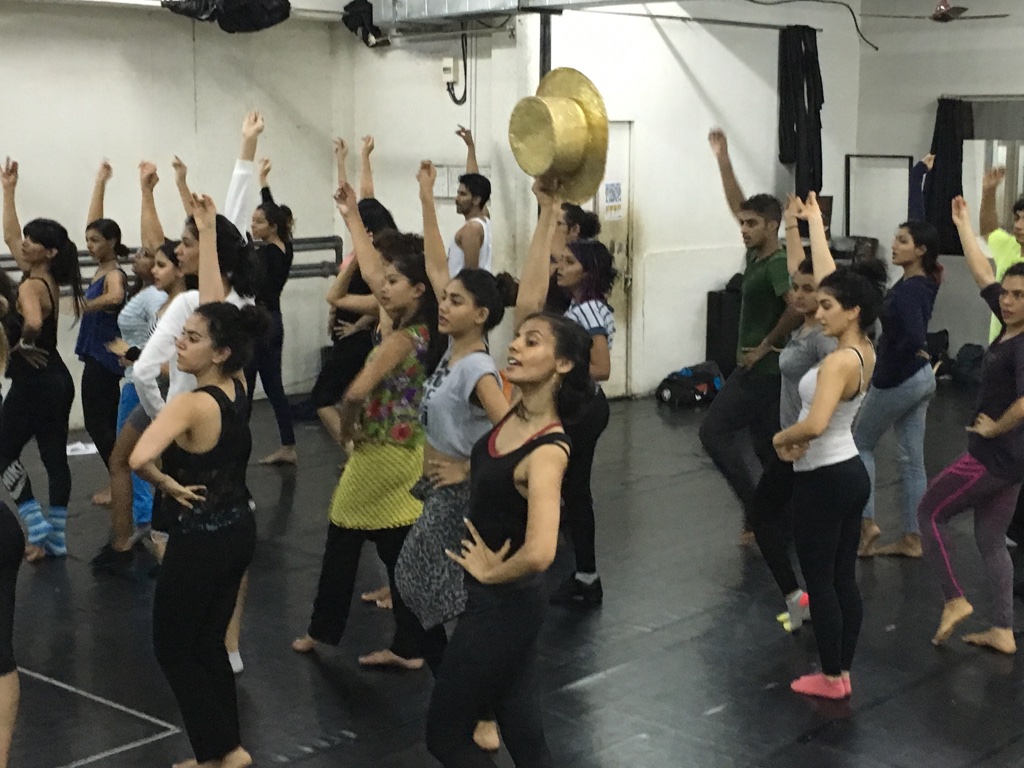
December 06
Musical Theatre Intensive for Adults
Eliminate Vocal Fatigue & Sing Effortlessly and with Confidence
11:00 AM - 5:00 PM
In-Person
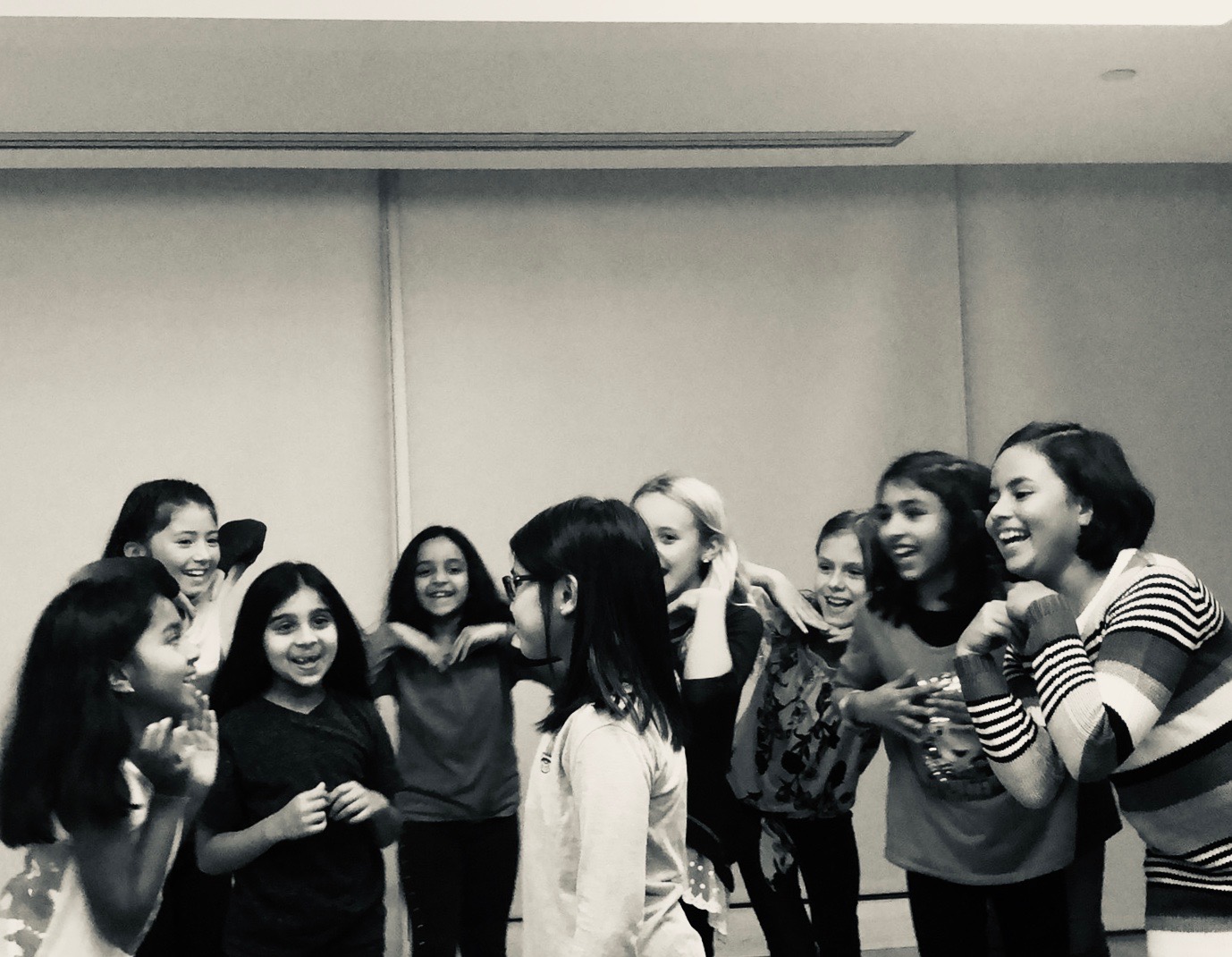
December 02, 03 & 04
Musical Theatre Intensive for Kids
Eliminate Vocal Fatigue & Sing Effortlessly and with Confidence
5:00 PM - 7:00 PM
VALENTINE’S DAY STUDENT RECITAL
All DCVT & Private Students Only
INDIA & UAE Students
Saturday, February 28 · 7:30 – 8:30am
Google Meet Link: https://meet.google.com/urm-hkmk-fpu
USA Students
Saturday, February 28 · 12:00 – 1:00pm
Google Meet Link: https://meet.google.com/rwh-ojwd-ebg
Learn
Blog
Don’t Strain Your Voice. Follow These Helpful Tips
Argh! Feeling strain in your voice? You’re not alone. Many people unknowingly develop hoarseness or vocal fatigue over time. In this blog, we explore healthy vocal habits that help protect your vocal cords and keep your voice strong, clear, and resilient.
Watch
You Tube
Élégie by Jules Massenet (1842–1912) was among the most popular melodies in the final decades of the nineteenth century. Massenet originally composed Élégie in 1866 as part of a piano cycle titled Pièces de genre, Op. 10, No. 5. In 1872, he incorporated the piece into Les Erinnyes (The Furies), a play by Leconte de Lisle. The sorrowful melody, originally scored for muted cello, later became an independent solo piece entitled Mélodie-Élégie and was arranged numerous times for a wide range of instruments and instrumental ensembles.
Watch Deirdre’s powerful interpretation at a concert at the NCPA, Mumbai.
Testimonials
