
The Life of an Opera Singer: What it Takes
The legendary Luciano Pavarotti once said, “As an art form, opera is a rare and remarkable creation. For me, it expresses aspects of the human drama that cannot be expressed in any other way.” Few statements capture the essence of opera so perfectly. It is an art form that mirrors life itself—full of crescendos and decrescendos, triumphs and trials, vulnerability and power.
The life of an opera singer is as dramatic as the roles they portray on stage. One evening, a singer may embody a mighty king or a vengeful god; the next, a humble peasant or tragic lover. These transformations demand not only vocal excellence but emotional depth and resilience. Behind the glamour lies years of discipline, sacrifice, and relentless pursuit of mastery.
Most opera singers begin their training often around 18 years. Daily routines consist of scales, arias, breathing exercises, and physical conditioning—all essential to protect, strengthen, and refine the voice. Opera, much like fine wine, matures with time. A young student is expected to study multiple languages such as Italian, German, and French, while also immersing themselves in the rich history and traditions of opera. This foundation shapes not just technique, but artistry.
Aspiring singers must also mentally prepare for the realities of the profession. The voice is their instrument, and caring for it requires consistency and commitment. Adequate rest, stress management, proper nutrition, and sufficient sleep are not optional—they are necessities. Maintaining balance is key to sustaining a long and healthy career.
Opera careers are rarely static. Soloists often travel extensively between cities and countries, navigating jet lag, fatigue, and demanding rehearsal schedules. Time away from home can be isolating, and learning new repertoire—often in unfamiliar languages—is a constant challenge. How a singer adapts to this lifestyle can determine their success or struggle.
Rehearsals are collaborative and intense. Singers work closely with conductors, directors, répétiteurs, and fellow performers to bring a production to life. Performances themselves can last several hours, requiring unwavering focus while maneuvering elaborate costumes, intricate staging, and deeply complex emotions.
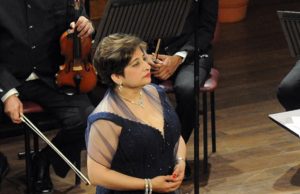
The uncertainty of the profession cannot be ignored. Many singers balance their artistic ambitions with other jobs. Auditions are frequent, rejection is common, and competition is fierce. Beyond vocal skill, an opera career demands discipline, perseverance, and the strength to face disappointment offstage. When the curtain falls, training continues—years of practice dedicated to perfecting the craft.
Yet, the rewards are immeasurable. The exhilarating moment after delivering a flawless aria is incomparable. Opera singers carry centuries-old traditions forward, giving voice to humanity’s most profound emotions—love, grief, joy, betrayal, and hope.
Opera may be one of the few art forms untouched by artificial intelligence, and we hope it remains so. No technology can replicate the magic of a live orchestra or the thrill of a soaring voice delivering Nessun Dorma or the tender beauty of O Mio Babbino Caro.