
Maintaining Long-Term Vocal Health
Building a lasting career as a speaker or singer starts with daily care. Your voice isn’t just a tool—it’s your instrument. Treat it with intention, consistency, and respect.
Start with the basics: Hydration
Staying well-hydrated keeps your vocal cords lubricated and reduces strain. Dry vocal cords are far more vulnerable to long-term damage, so sip water consistently throughout the day. If you’re in a dry environment, consider using a humidifier at night.
Refine Your Technique
Great vocal performance comes from the right technique. Proper breathing, control, and projection make all the difference. Deirdre’s workshops and training programs are designed to help singers build strong, sustainable vocal habits.
Avoid Excessive Strain
Pushing your voice too hard—through shouting, overuse, or skipping warm-ups—can lead to fatigue and injury. Respect your limits and prepare your voice before demanding use.
Prioritize Rest
Nothing replaces rest. If you’ve had a long day of speaking or singing, allow your voice time to recover. Recovery isn’t optional—it’s essential.
Watch Out for Harmful Habits
It’s easy to overlook small indulgences, but smoking and excessive alcohol consumption can damage your vocal cords over time. Protect your voice by making mindful choices.
Listen to Your Body
Hoarseness, discomfort, or persistent vocal changes are signs you shouldn’t ignore. Addressing issues early can prevent long-term complications.
Consistency is Key
Small, daily habits—hydration, proper technique, rest, and awareness—build a strong foundation. Stay consistent, and your voice will stay reliable for years to come.

Upcoming Next Month

Mumbai

Mumbai
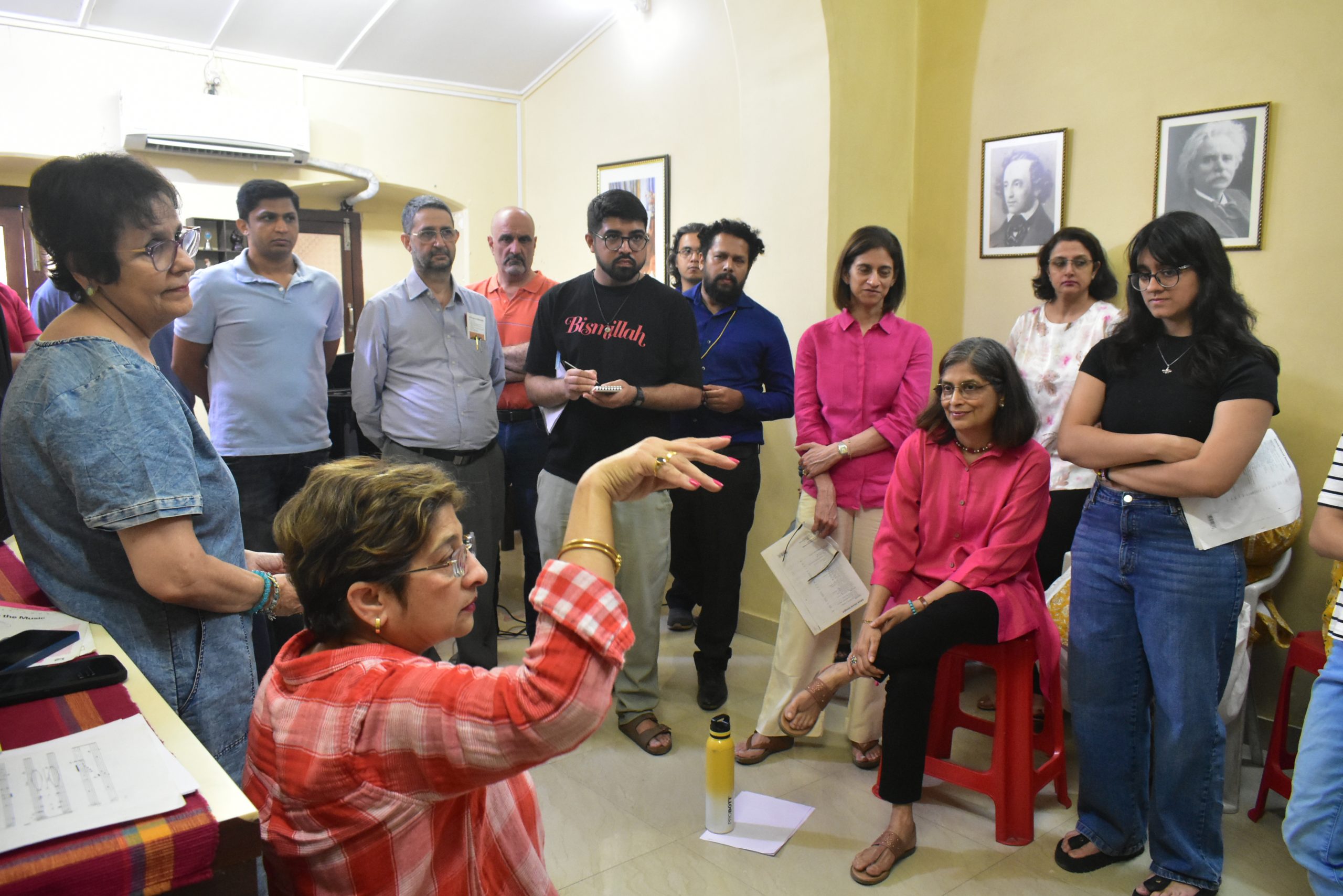
November 24, 2026
Workshop for Choral Singers
Understand breath support & hit high & low notes effortlessly
6:00PM - 9:00PM
Mumbai

December 02, 03 & 04, 2026
Musical Theatre Intensive for Kids
Eliminate Vocal Fatigue & Sing Effortlessly and with Confidence
5:00 PM - 7:00 PM
Mumbai
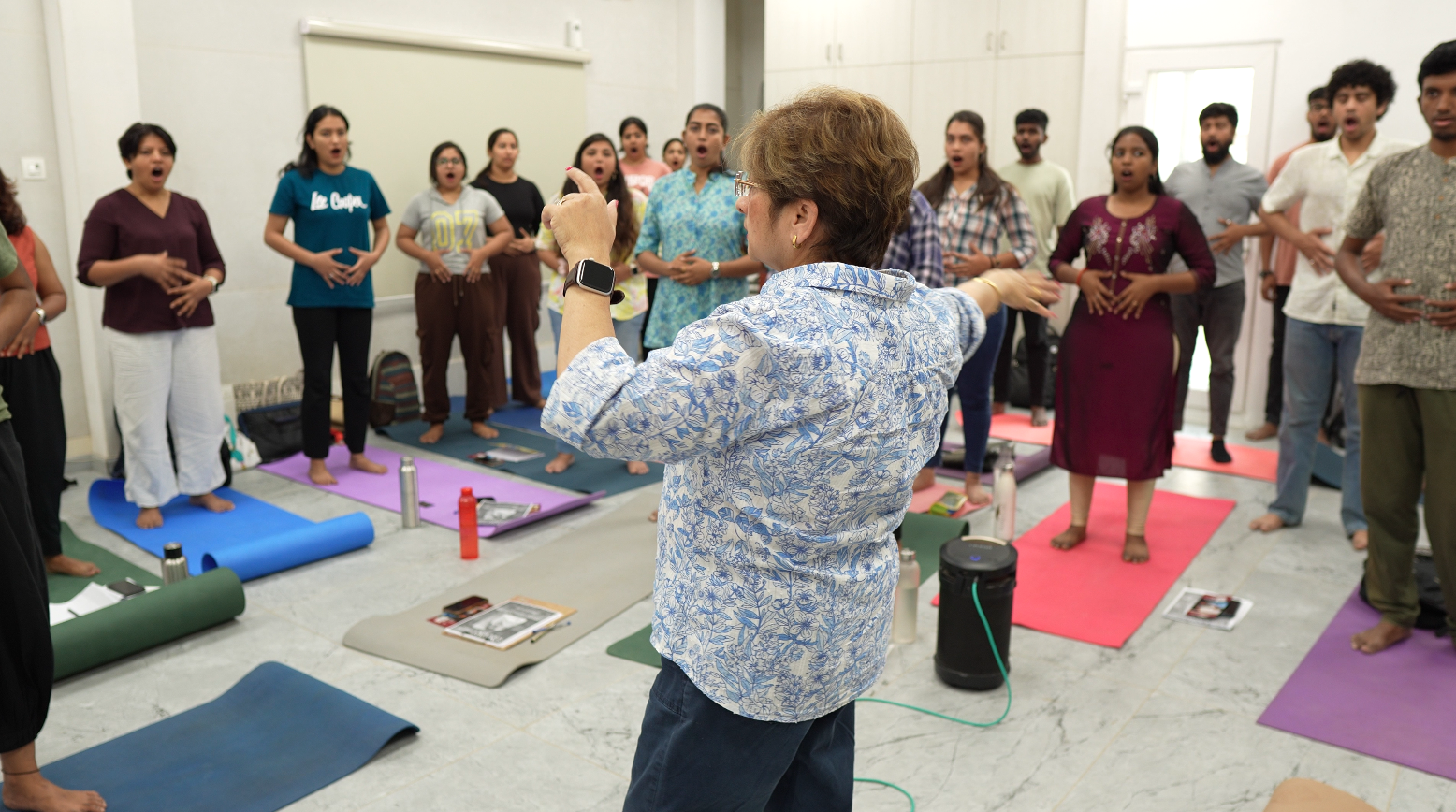
December 05, 2026
Workshop for Choral Singers
Understand breath support & hit high & low notes effortlessly
2:00PM - 5:00PM
Mumbai

December 05, 2026
Voice Teacher Training Workshop
Rise to Extraordinary Levels of Vocal Teaching and Mentoring
5:30PM - 7:30PM
Mumbai

December 06, 2026
Musical Theatre Intensive for Adults
Eliminate Vocal Fatigue & Sing Effortlessly and with Confidence
11:00 AM - 5:00 PM
Mumbai

December 07, 2026
Masterclass For Emerging Artists (Singers)
Rise to Extraordinary Levels of Performance
6:00PM - 8:30PM
Major News Update
Deirdre Lobo will take centre stage at the prestigious Carnegie Hall this June, performing with the New York Chamber Players under the direction of Giacomo Franci on 28 June 2026.
From the Blog
Blog
A Quick Guide to Structuring Lessons for Beginner Teachers
Starting your teaching journey? Structuring your lessons effectively can make all the difference. A thoughtful plan keeps students engaged and helps you deliver your best.
Before building your lesson, take time to understand your student’s goals and abilities. With that clarity, you can design a focused and engaging 60-minute session that supports real progress.
Testimonials
