
Vocal Training: The Importance of Continuous Learning
A good voice is not simply something we are born with—it is something we learn to understand, develop, and nurture.
Singing is often described as a natural talent, but behind every confident and expressive voice lies practice, discipline, guidance, and a willingness to keep learning. Whether you are taking your first steps as a singer, an experienced performer, or returning to singing after a long break, vocal training can help you understand your voice and unlock its potential.
Building the Right Foundation
Good vocal training begins with the basics: breathing, posture, vocal placement, pitch, resonance, and articulation. These fundamental elements work together to create a healthy, controlled, and expressive sound.
Learning the right techniques from the beginning can also help singers avoid habits that may affect their progress or place unnecessary strain on the voice. A trained vocal coach can offer personalised feedback, helping identify subtle areas that may be difficult to recognise when practising alone. Sometimes, even a small change in technique can make a noticeable difference to the way a singer sounds and feels.

Why Learning Should Never Stop
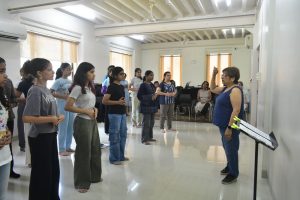
For me, the importance of continuous learning is deeply personal. I remember my mother, Celia Lobo, and her passion for learning throughout her life. From a young age I was taught that learning is constant. Hence I attend conferences, which helps me keep up with the latest in vocal pedagogy, performance, and other research in the field.
That same philosophy applies to the voice. Our voices change with age, experience, lifestyle, and how regularly we use them. Vocal development is therefore not a destination but a lifelong journey.
Continued training can help singers strengthen their technique, expand their vocal range, improve flexibility, and develop greater control. It can also encourage them to explore different musical styles and discover new ways to communicate emotion through their voice.
For singers returning after a break, structured training can be especially beneficial. The muscles involved in singing may need time to rebuild strength and coordination. Gradual training can help restore stamina and confidence while allowing the voice to develop safely.
The Value of Personalised Guidance
Online videos and tutorials can be helpful learning tools, but they cannot always replace individual attention. Every voice is unique, and exercises need to be adapted to suit the individual singer.
I work with each student to understand their challenges, goals, and vocal needs. By listening carefully to the voice, I can recommend appropriate techniques and exercises while helping students develop greater awareness and control.
Coaching is also about more than technique. It can help singers build confidence, overcome performance anxiety, develop consistency, and feel more prepared to share their voice with others. Through online coaching, I am able offer vocal guidance globally.
Every singer has something unique to offer. With regular practice, the right guidance, and a commitment to continuous learning, singers can develop not only their technique and range, but also the confidence and expression that make a voice truly their own.